DriveTest Canada

British Columbia study

ICBC knowledge test study guide

11 lessons covering what the ICBC knowledge test asks about. Each one has diagrams, the points worth revising, and practice on the same topic at the end of it.

11 lessons5 carry a British Columbia rule

Free, no account, and nothing on this site is behind payment.
A closed notebook and a mug on a desk beside a large window, looking out on a snow covered street with a bare tree and a road beyond.

Studying for the test in British Columbia

British Columbia is the one province where the organization that tests you also insures you. ICBC is the public auto insurer and it runs driver licensing, so the same body writes the knowledge test, books the road test and prices the policy afterwards. The learner rules here are visible from outside the car, the geography puts mountain passes and long winters on the syllabus, and the knowledge test runs against a clock. These notes cover what is different about learning to drive in British Columbia.

The lessons, in the order to read them

Start at the top if you are beginning from nothing. Each card says how many British Columbia practice questions sit behind the topic, so you can read one and then go and test it.
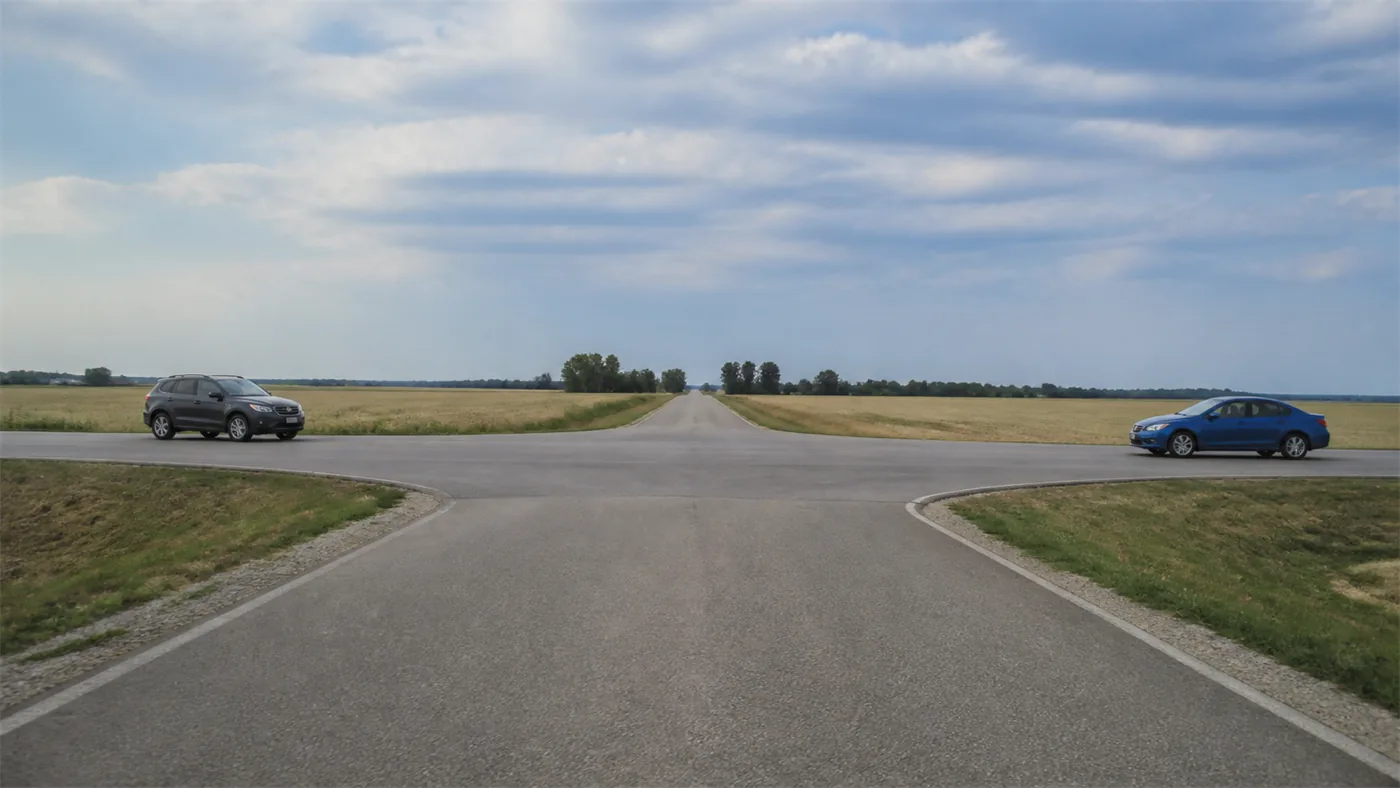
An uncontrolled rural crossroads with sight lines open across low fields, two vehicles approaching from different arms at a distance.Read
Lesson 1

Right of way: who goes first, and why

6 parts, 6 British Columbia questions, 2 diagrams
The order in which two drivers use the same piece of road. Learn it as a set of rules about yielding, because yielding is the thing you actually do.
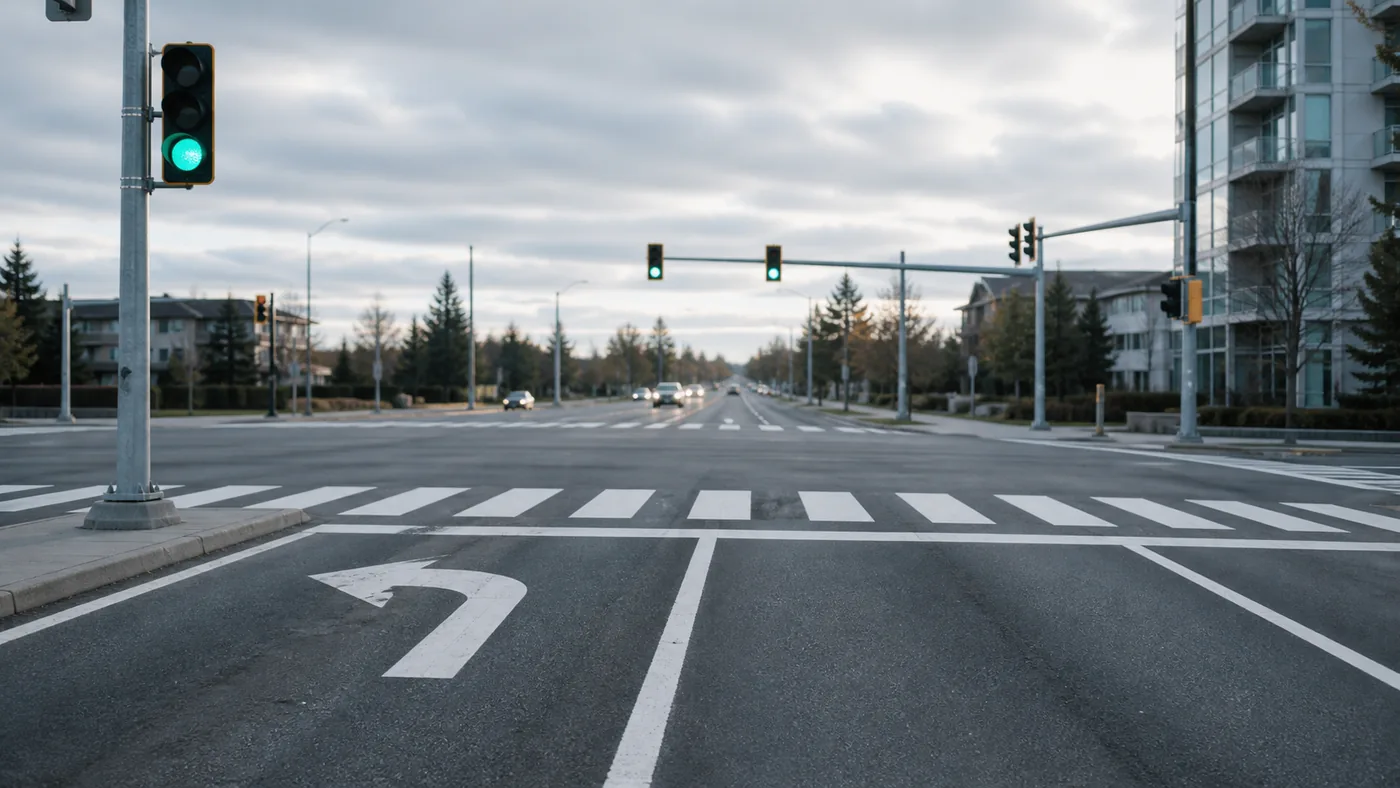
A signalled intersection with a marked advance left turn lane and a painted crosswalk, seen from the waiting driver position with a green light ahead.Read
Lesson 2

Intersections and turns

5 parts, 6 British Columbia questions, 2 diagrams
Most collisions happen where paths cross. This is how to read an intersection on the way in, make a left turn across traffic without guessing, and get through a roundabout in the right lane.
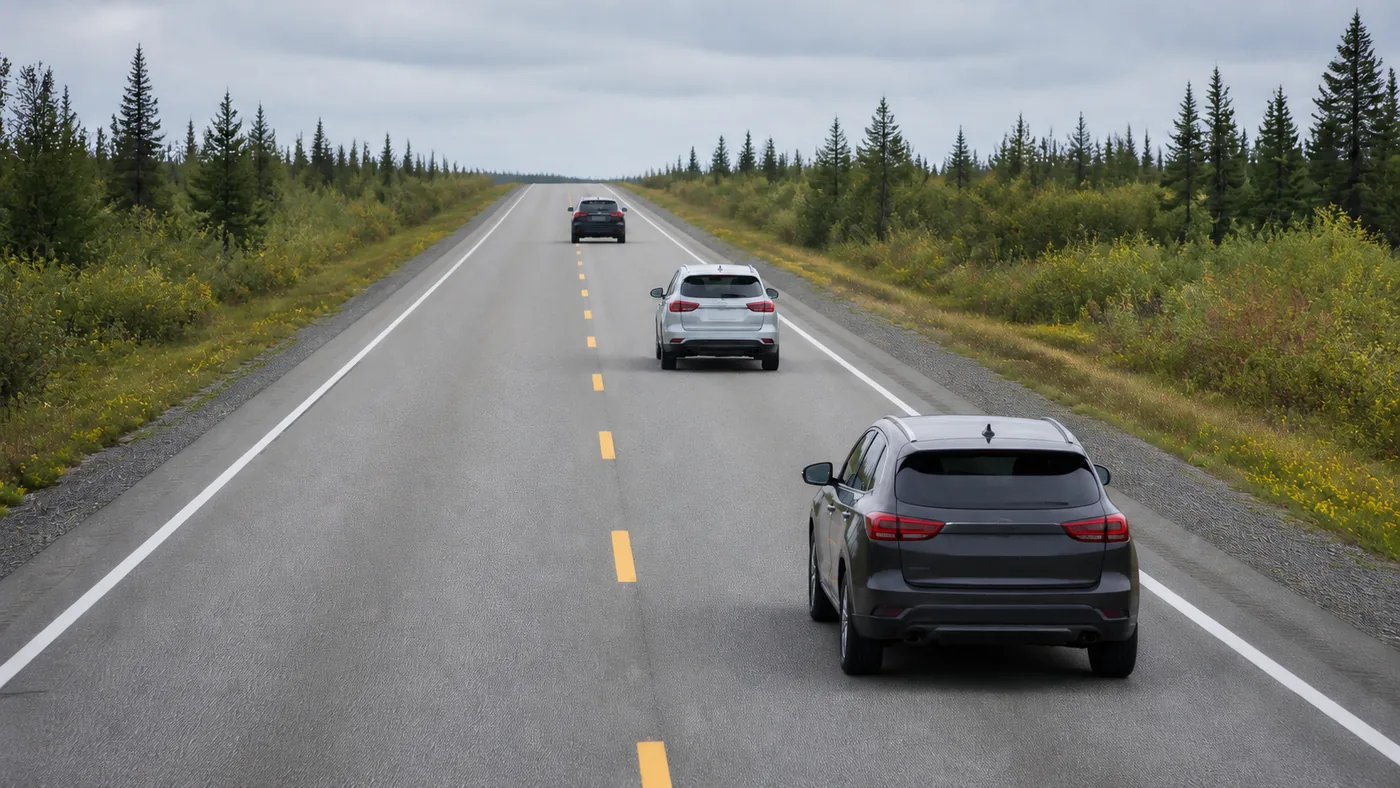
Three vehicles spaced along a two lane highway, seen from behind and above so the gap between each of them is plain.Read
Lesson 3

Speed and following distance

5 parts, 6 British Columbia questions, 1 diagram
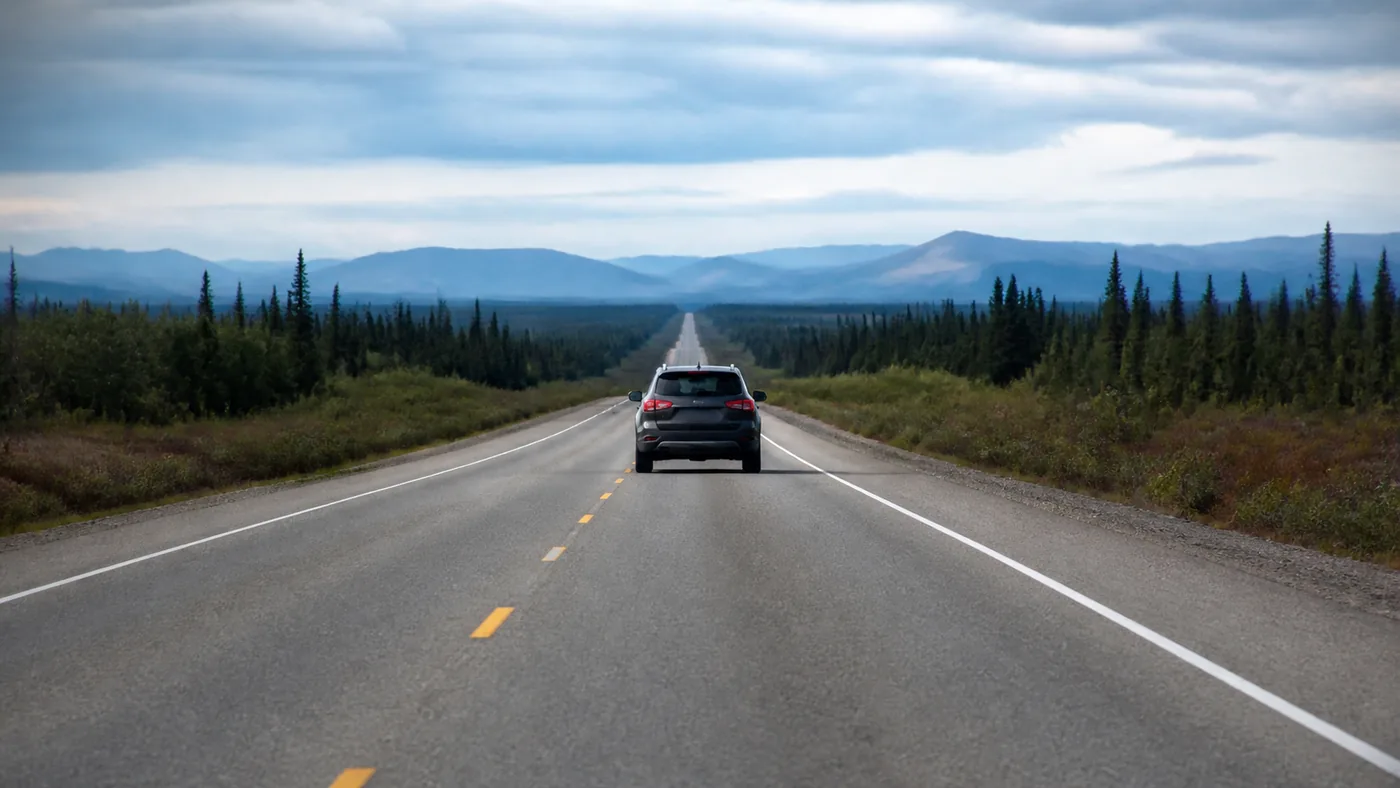
A posted maximum is a limit for good conditions, not a target. This lesson covers how speed changes what you can stop for, and how to judge the gap in front of you by counting rather than guessing.
A two lane rural highway on a long open straight with a broken centre line, one slow vehicle ahead and clear road beyond it.Read
Lesson 4

Lanes, passing and merging

5 parts, 5 British Columbia questions, 3 diagrams
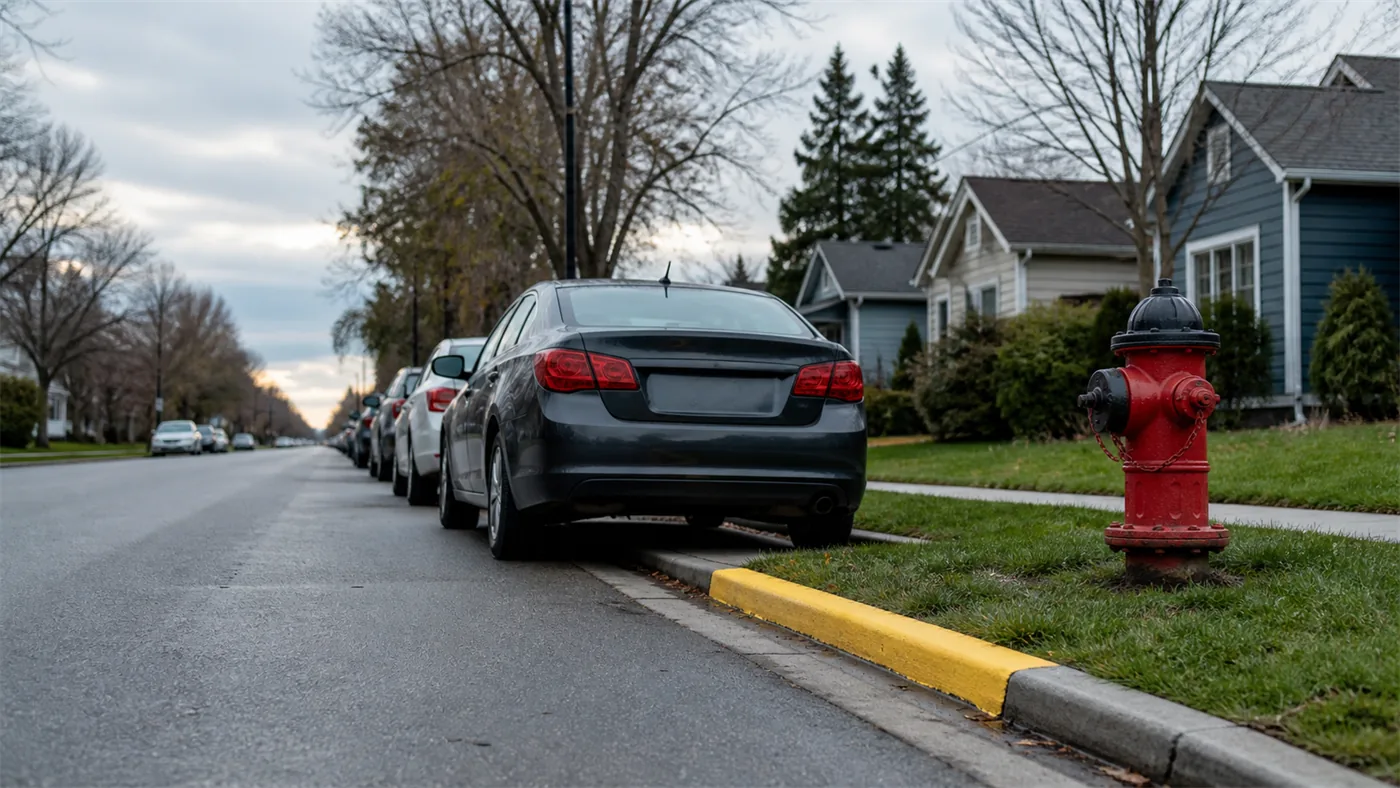
Choosing a lane, changing lanes without surprising anyone, passing on a two way road, and joining a highway at the speed of the traffic already there.
A residential street seen along the curb line, cars parked parallel to it with a fire hydrant on the verge and a painted section of curb.Read
Lesson 5

Parking and stopping

5 parts, 5 British Columbia questions, 1 diagram
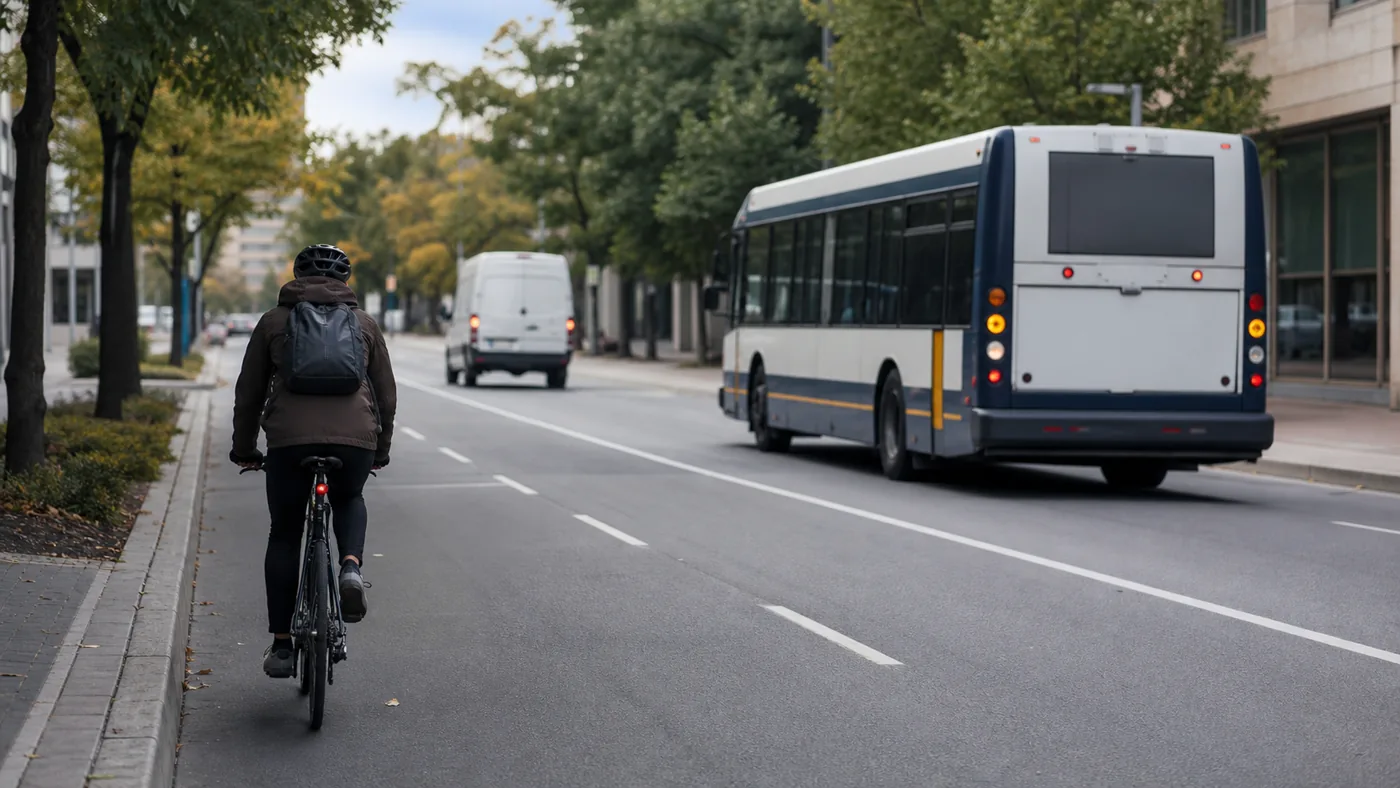
Where you may not leave a vehicle and why, the difference between stopping and parking, how to parallel park in steps, and what to do with the wheels when you park on a hill.
A wide street where a cyclist, a bus and a delivery van share the space at different distances under calm midday light.Read
Lesson 6British Columbia rule

Sharing the road

5 parts, 5 British Columbia questions, 2 diagrams
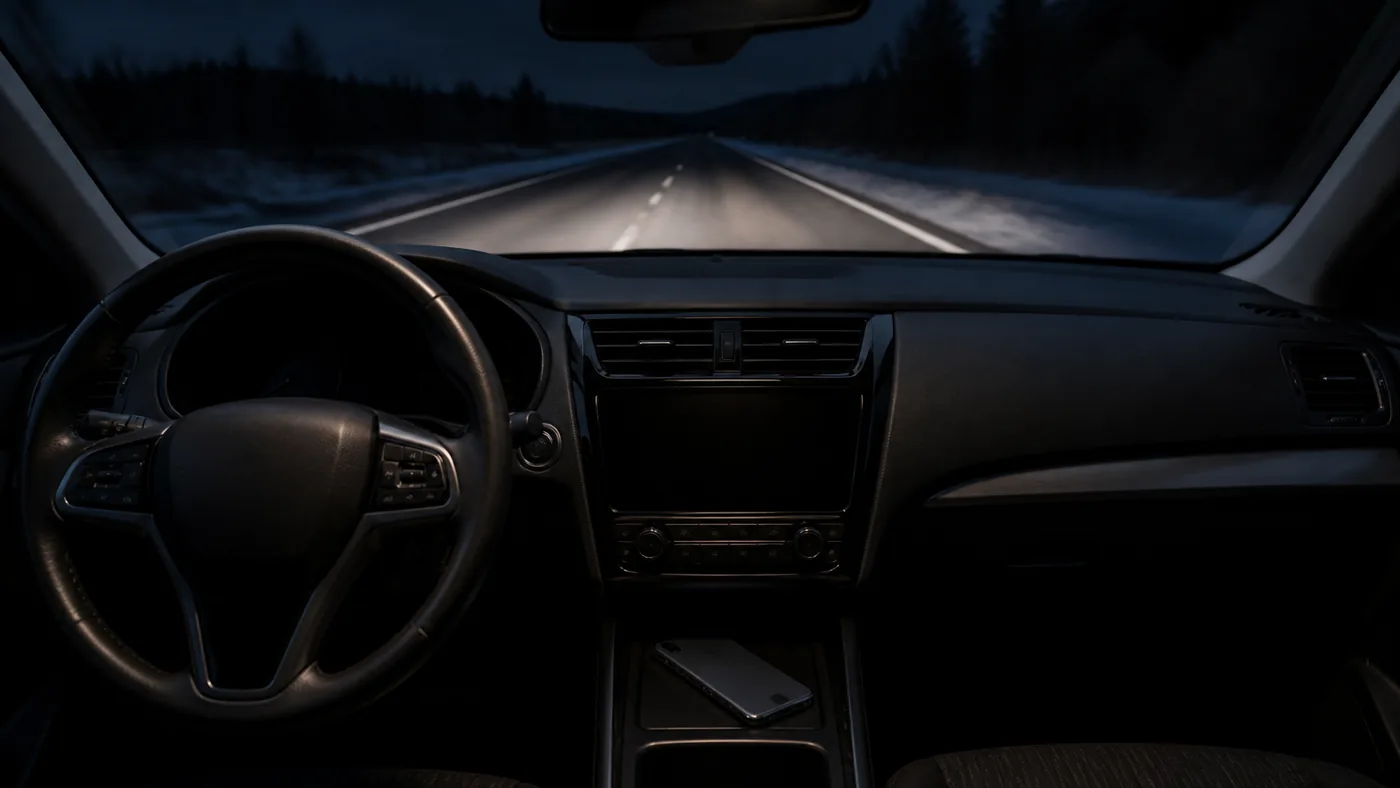
People on foot, cyclists, motorcycles, heavy trucks, school buses and emergency vehicles. What each one needs from you, and the rules the test asks about most.
A dashboard and steering wheel at night with a phone lying face down in the centre console, the road ahead dark and empty through the windscreen.Read
Lesson 7British Columbia rule

Impaired and distracted driving

5 parts, 6 British Columbia questions
Alcohol, cannabis, prescription medicine, fatigue and the phone. What impairment actually does to driving, what the law expects of a new driver, and why distraction belongs in the same lesson.
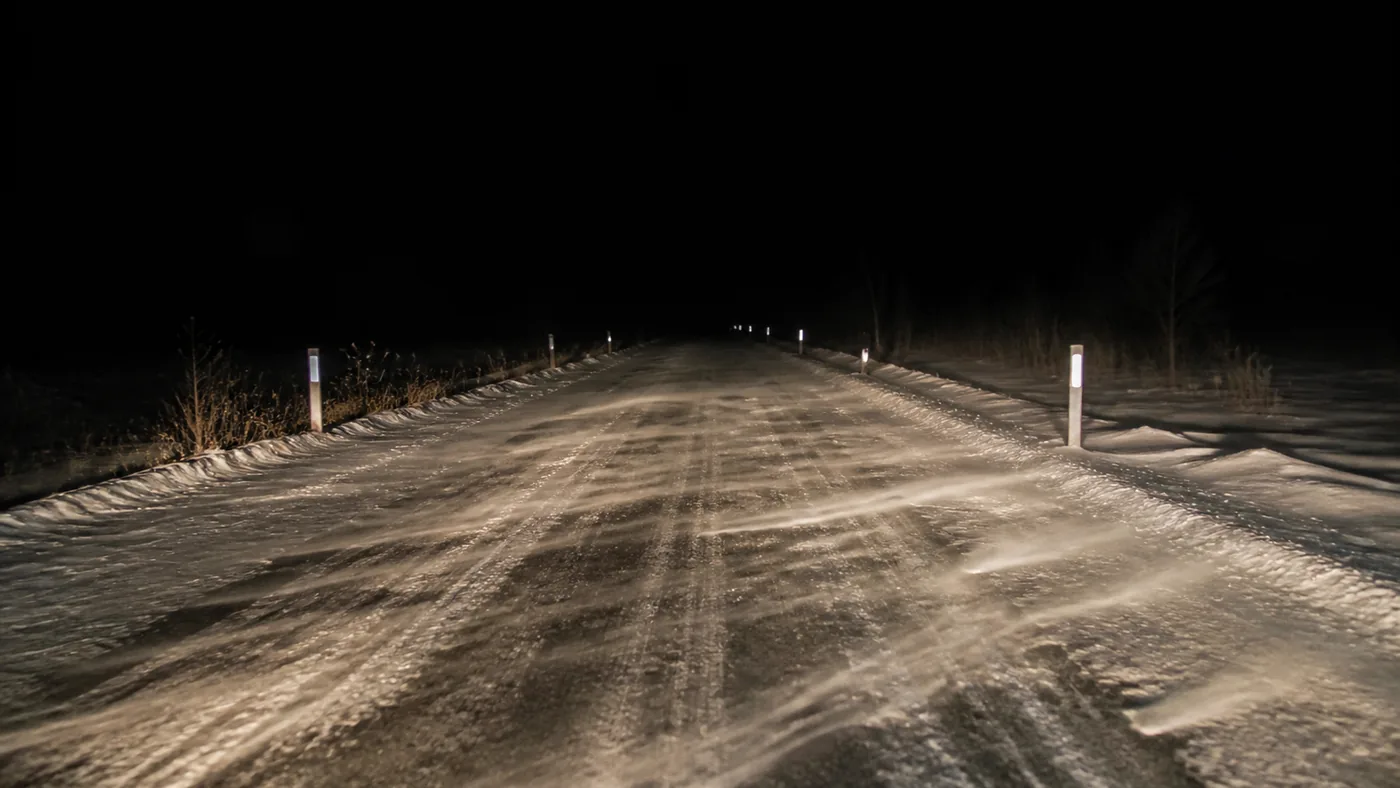
A rural road at night lit only by headlights, snow drifting across the surface and the verge markers catching the light.Read
Lesson 8British Columbia rule

Weather, winter and driving at night

5 parts, 6 British Columbia questions
Rain, snow, ice, fog and darkness all attack the same two things: how far you can see and how much grip you have. This is how to drive when one or both are missing.
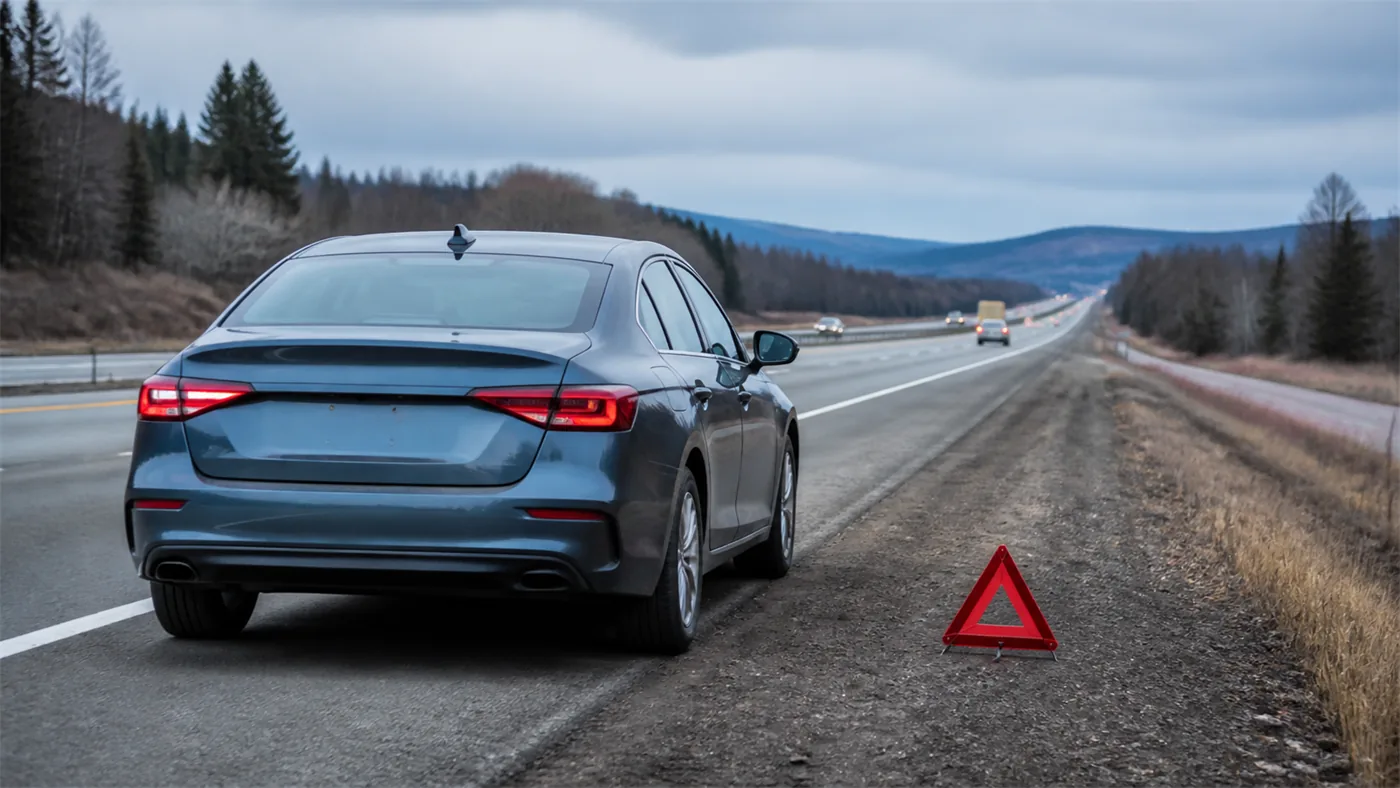
A car stopped on a wide highway shoulder with the bonnet closed and a warning triangle set well back from it, nobody in frame.Read
Lesson 9British Columbia rule

Emergencies and breakdowns

5 parts, 6 British Columbia questions, 1 diagram
Skids, blowouts, brake trouble, a vehicle that stops working and a collision you have to deal with. Rare events with correct answers, which is exactly why they are on the test.
A blank card, a set of keys and a folded blank leaflet laid out evenly on a pale surface and shot square from above.Read
Lesson 10British Columbia rule

Graduated licensing: how the system works

5 parts, 6 British Columbia questions
Every province licenses new drivers in stages, and the stages exist for the same reason everywhere. This explains the shape of the system and the kind of restriction each stage carries. The dates, ages, fees and hold times live on your province page.
An open car glovebox with a plain unmarked document wallet inside it, shot from the passenger side in daylight through the window.Read
Lesson 11

Documents, penalties and your driving record

5 parts, 5 British Columbia questions

What you must carry, what insurance and registration actually are, and how demerit point systems work as a warning system rather than a scoreboard. Every figure here is provincial, so check your province page.

5 of the 11 lessons carry a British Columbia rule that changes the answer. Those cards are marked.

Road signs are drilled, not read

A sign is learned by looking at it and saying what it means, then doing that again until the answer arrives before you have thought about it.

Prose about shapes and colours does not do that, so signs get a drill instead of a lesson. It is the one topic on this site where reading is the slower way round.

The British Columbia bank holds 64 sign questions, and each one draws the sign itself as vector rather than describing it, so what you study is the shape the standard specifies.
A rural verge lined with three bare posts of different heights, every plate removed, a road running past them into open country.Start

Drill the road signs

64 British Columbia questions, drawn rather than described

When you are ready to practise

Every run is free and needs no account. What you answer is kept in your own browser, so the site can show you which topics keep catching you out, and nothing in a test or a result is held back until you pay.