Alberta asks about documents, fines and demerit points in 4 of our questions. What you must carry, what insurance and registration actually are, and how demerit point systems work as a warning system rather than a scoreboard. Every figure here is provincial, so check your province page.
About 7 minutes to read4 Alberta questions on thisLast reviewed 2026-08-27
Worth remembering
Carry three documents: licence, vehicle registration or permit, and proof of insurance.
Insurance is compulsory everywhere in Canada, though it is delivered publicly in some provinces and privately in others.
Tell the licensing body when you move; notices about your licence and vehicle go to the address on file.
Demerit points attach on conviction, not at the roadside, so paying a ticket brings the points with it.
Point systems work as a ladder: warning, then interview or course, then suspension.
New drivers in the graduated stages face lower thresholds than fully licensed drivers.
Fines are only part of it. Suspension, impoundment, courses and a longer licensing stage all sit alongside them.
Every number here is provincial. Read the figures on your own province page.
The three documents
Wherever you drive in Canada you are expected to have three things with you: your driver licence, the registration or permit for the vehicle, and proof that the vehicle is insured. Each answers a different question. The licence says the province has judged you fit to drive and shows which classes and conditions apply to you. The registration links this particular vehicle to an owner and shows it is entitled to be on the road. The insurance certificate shows that if you injure somebody or damage their property, there is money behind you to put it right.
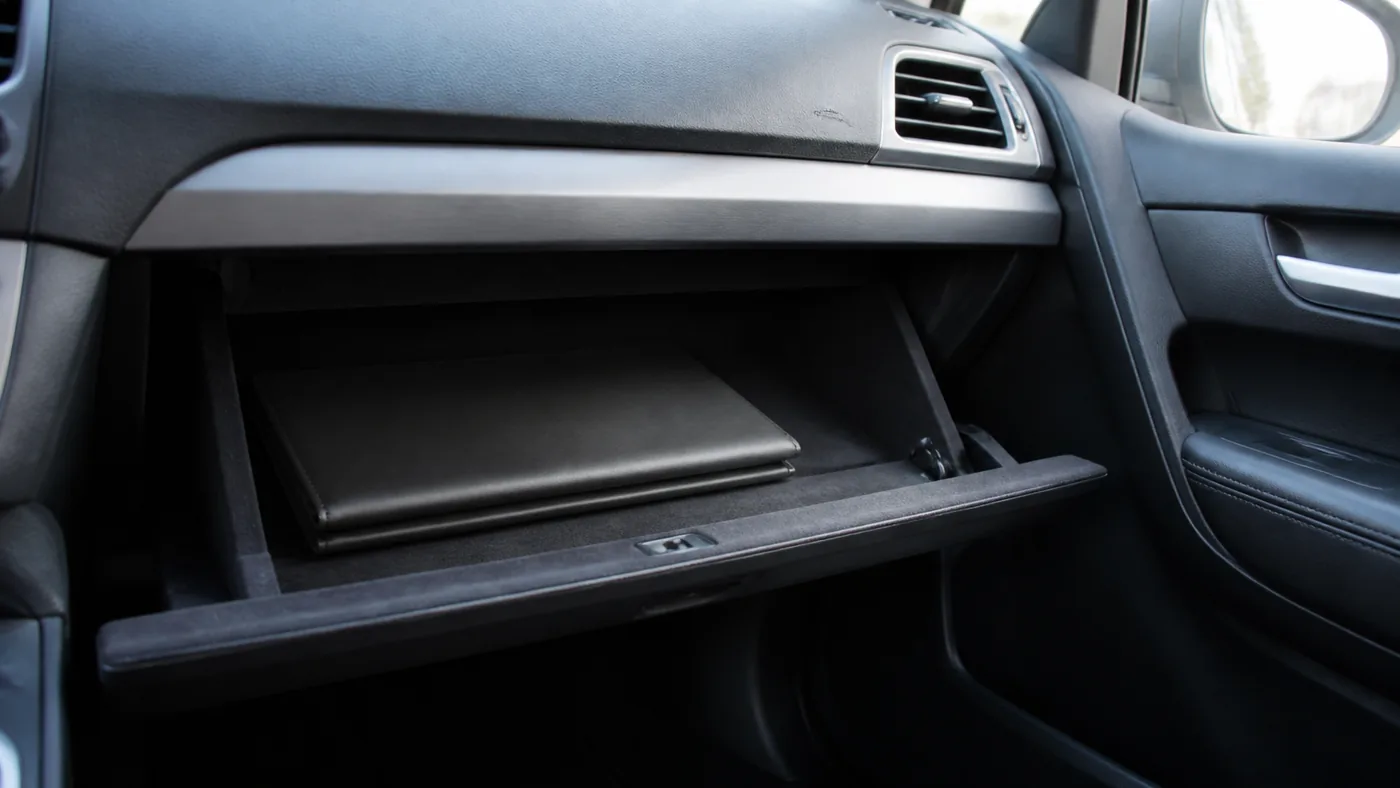
A police officer may ask for all three at a lawful stop, and you are required to produce them. Keeping the registration and insurance in the glove box and the licence in your wallet is the ordinary arrangement. Several provinces now accept an electronic proof of insurance on a phone; whether yours does is worth knowing before you rely on it.
Two duties are easy to forget. You must tell the licensing body when you change your address, usually within a short period set by the province, because that is where every notice about your licence and your vehicle will be sent. And you must keep the licence and the plate or permit valid, since renewal dates come around whether or not the reminder reached you.
Insurance, and why driving without it is treated so seriously
Motor vehicle insurance is compulsory in every province and territory, though how it is delivered differs a great deal: some provinces run it through a public insurer and others through private companies, and the rules about what is covered are not identical. What is identical is the requirement to have it.
The heart of it is third party liability: cover for the harm you do to other people and their property. A serious injury claim can run to an amount no individual could pay, which is why driving uninsured is one of the most expensive offences on the road in every province, and why the penalty is aimed at the driver and the owner rather than treated as a paperwork slip.
Insurance also has a direct connection to how you drive. Convictions and at fault collisions follow you onto your record, and your record is what your premium is priced from. For a new driver, the years without incidents at the start are worth real money later, which is a better argument for careful driving than any lecture about points.
How demerit point systems work
Every province operates some version of a points system, though the names differ. The idea is the same everywhere: when you are convicted of a moving offence, a number of points attaches to your driving record, with more points for offences that create more risk. Points are recorded on conviction rather than at the roadside, so paying a ticket usually counts as pleading guilty and brings the points with it.
The system is designed as a warning ladder rather than a simple count to a punishment. As points build up, a province typically sends a warning letter first, then may require an interview or an improvement course, and finally suspends the licence if the total keeps rising. Drivers in the graduated licensing stages face lower thresholds at every step, because the system expects less risk tolerance from a driver with less experience.
Points also come off again. Most provinces keep them on the record for a set period from the offence date or the conviction date, after which they stop counting toward suspension, even though the conviction itself may stay visible on your record for longer and may still be seen by an insurer. The number of points per offence, the thresholds, how long points last and what each step of the ladder involves are all provincial. Do not carry a number across a border.
A waiting area at a public service office. The sitting itself is short. The paperwork around it is what takes the morning.
Fines, suspensions and the things that happen at the roadside
A fine is only one of the consequences of a traffic offence, and often not the one that matters most. Alongside it a province can suspend your licence, impound the vehicle, require a course or a device, and in the graduated stages extend the time you must spend in your current stage or return you to an earlier one. Some penalties are applied immediately at the roadside, before any court date, particularly for impaired driving and for serious speeding.
Higher penalties apply in specific places for the same behaviour: construction zones with workers present, school and playground zones, and passing a stopped school bus are treated more seriously in most provinces. Excessive speeding, sometimes called stunt driving or racing depending on the province, carries immediate roadside consequences that are much heavier than an ordinary speeding ticket.
You can dispute a ticket, and there is a deadline for doing so printed on it. Ignoring a ticket is the worst option available: the amount usually grows, the conviction is often registered anyway, and an unpaid fine can block the renewal of your licence or your plates. If you are stopped, stay in the vehicle unless asked otherwise, keep your hands visible, and produce the documents when asked. Arguing at the roadside changes nothing; the place to make your case is the one printed on the ticket.
Your record, and what to do with all this on test day
Your driving record is a single history held by your province: licence status, class and conditions, convictions, points and suspensions. Employers may ask for an abstract of it, insurers price from it, and licensing bodies use it to decide whether you keep driving. It is the reason a small conviction now can cost more over several years than the fine itself.
For the knowledge test, learn the shape of all this rather than the figures. Know which three documents you carry and what each is for, know that points arrive on conviction and lead through warnings to suspension, know that new drivers face tighter limits, and know that fines, points, thresholds and time periods are set by your own province. Then read those specific numbers on your province page, where each one carries the source it came from and the date it was checked.
Alberta and this topic
Alberta
Alberta follows the same rules on this topic
Nothing above changes when you cross into Alberta, so there is no separate Alberta version of this lesson to read. The stages, the fees and the format of the test are the numbers that do change, and those sit on the Alberta page with the source behind each one.
The 4 practice questions on this topic in the Alberta bank are written for Alberta, and each one shows the authority it comes from when you answer it.
Paying is normally a guilty plea. The conviction is registered, the points attach to your record, and your insurer can see it. If you intend to dispute it, use the deadline printed on the ticket.
What people think
Demerit points are added when the officer writes the ticket.
What is actually true
They attach on conviction. That is why the outcome of the ticket, not the stop itself, is what changes your record.
What people think
The points are the real punishment.
What is actually true
For a new driver the bigger costs are usually the insurance premium for years afterward and the effect on your licensing stage, which can be extended or reversed by a single serious offence.
What people think
I only need my insurance papers if I have a collision.
What is actually true
You are required to produce proof of insurance on request at any lawful stop, and driving without insurance carries one of the heaviest penalties in every province.
What people think
A conviction from another province does not follow me home.
What is actually true
Provinces share conviction information with each other, so an offence committed elsewhere can land on the record held by the province that licensed you. Check how your own province treats out of province convictions.
Check yourself
Three questions from the Alberta bank on documents, fines and demerit points. Answer them in your head first, then open the answer to see the rule it comes from.
Documents, fines and demerit points1 of 3
A peace officer pulls you over for a broken tail light. What are you expected to produce?
AYour licence only, since the rest is on the officer computer system
BYour licence and proof of insurance
CYour licence, the vehicle registration and proof of insurance
DYour licence and the most recent inspection paperwork for the vehicle
Show the answer
The answer is C. Your licence, the vehicle registration and proof of insurance
Three documents travel with the driver and the vehicle: the licence, the registration for that vehicle and valid proof of insurance. Keep the vehicle documents in the glove box rather than at home, because not having them with you is an offence on its own.
Alberta Driver's Guide (Government of Alberta)
Documents, fines and demerit points2 of 3
How does the demerit point system treat a driver in the graduated stage compared with a fully licensed driver?
AA graduated driver reaches a suspension at a lower number of points
BThe threshold is the same but the fines are higher
CGraduated drivers collect no points until they hold a full licence
DPoints are doubled for graduated drivers on every offence
Show the answer
The answer is A. A graduated driver reaches a suspension at a lower number of points
The graduated stage carries a lower point threshold, so a new driver runs out of room after fewer convictions than an experienced one. Points also sit on the record for a set period after each conviction, which means two moderate mistakes close together cost far more than one.
Alberta Driver's Guide (Government of Alberta)
Documents, fines and demerit points3 of 3
You move to a new address in another part of the province. What do you have to do about your licence and registration?
ANothing until the licence next comes up for renewal
BUpdate the address with a registry agent, so the record and any mail reach you
CWrite the new address on the back of the licence
DTell your insurance company, which passes it on
Show the answer
The answer is B. Update the address with a registry agent, so the record and any mail reach you
Your driving record is tied to the address on file, and notices about a renewal or a suspension go there. A forwarding arrangement with the post office does not update that record, so a driver can be suspended and genuinely not know it.
Alberta Driver's Guide (Government of Alberta)
Now go and answer some questions
Reading a topic once tells you very little about whether you know it. The practice run mixes documents, fines and demerit points in with everything else the test asks about, which is closer to what the real one does.
We use Google Analytics and Microsoft Clarity to see which pages help learners, and advertising cookies to keep the site free to use. Accept to allow them, or decline. How your data is handled